A product can be photographed only once it physically exists, and every new color or material means a new shoot. 3D product rendering works from the drawing instead. If you have a CAD model or detailed specification, we can produce images that read as studio photography, with no samples, no shipping, and no studio booking.
Manufacturers use renders to launch products before the first production run. E-commerce teams use them to keep a large catalog visually consistent. Furniture, lighting, fixture, and packaging brands use them to show a product in many finishes and many rooms without producing a physical sample of each.
If you design interiors or sell into the design trade, our page on 3D rendering for interior designers covers styled room scenes in more depth.
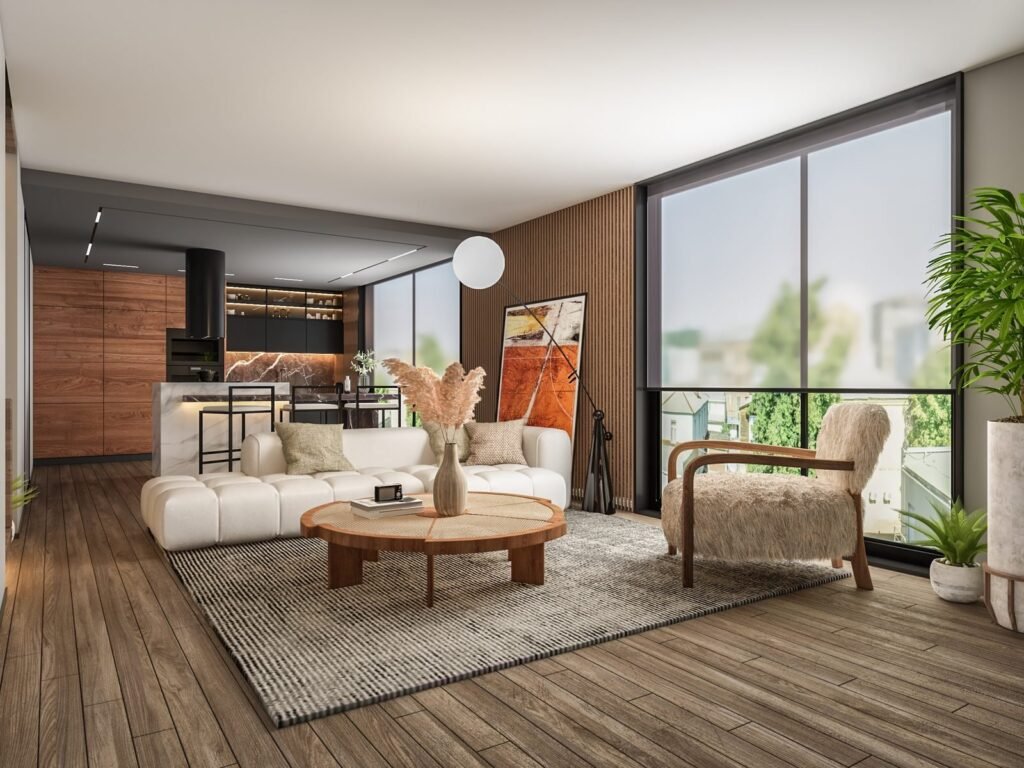
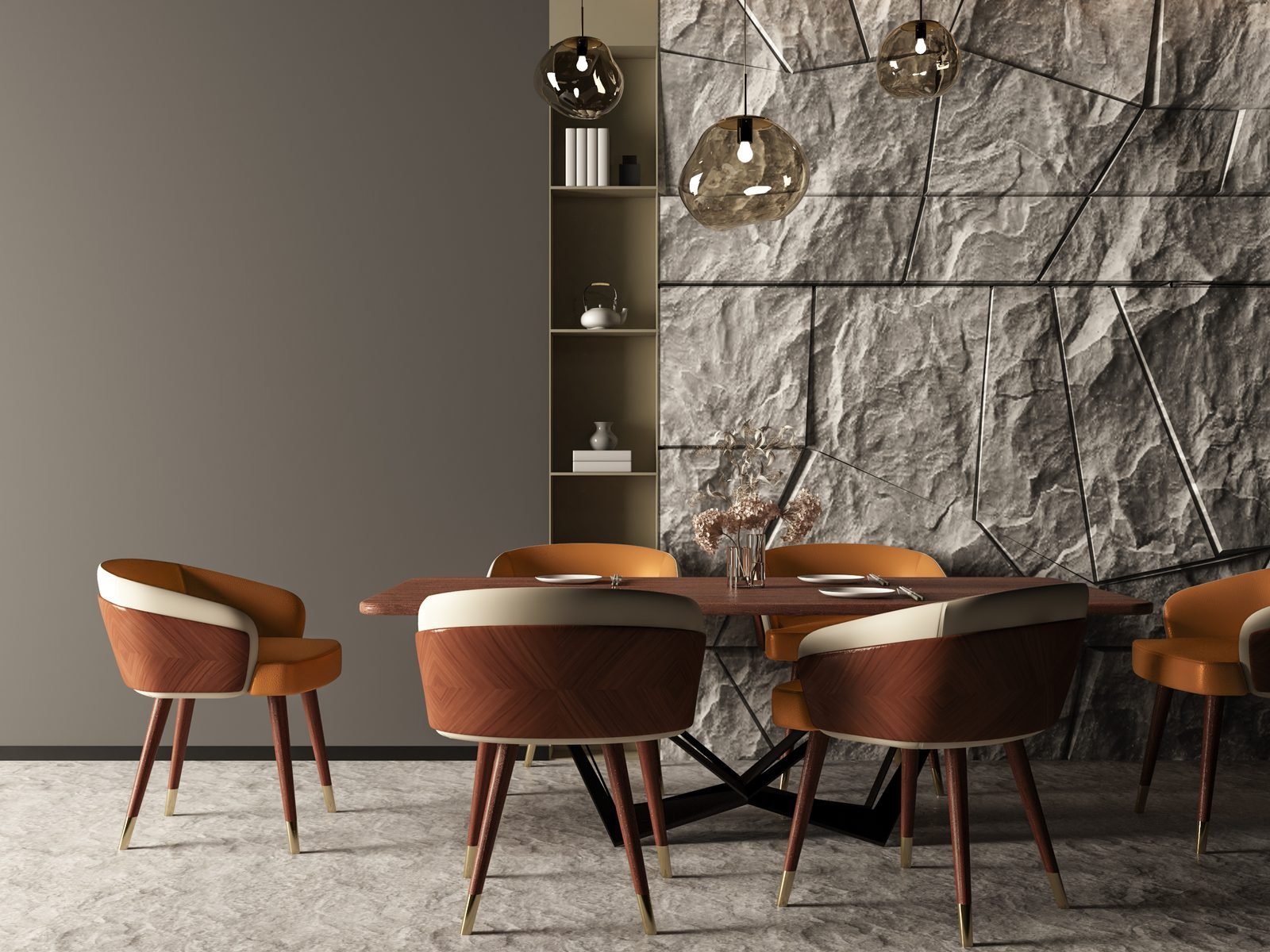
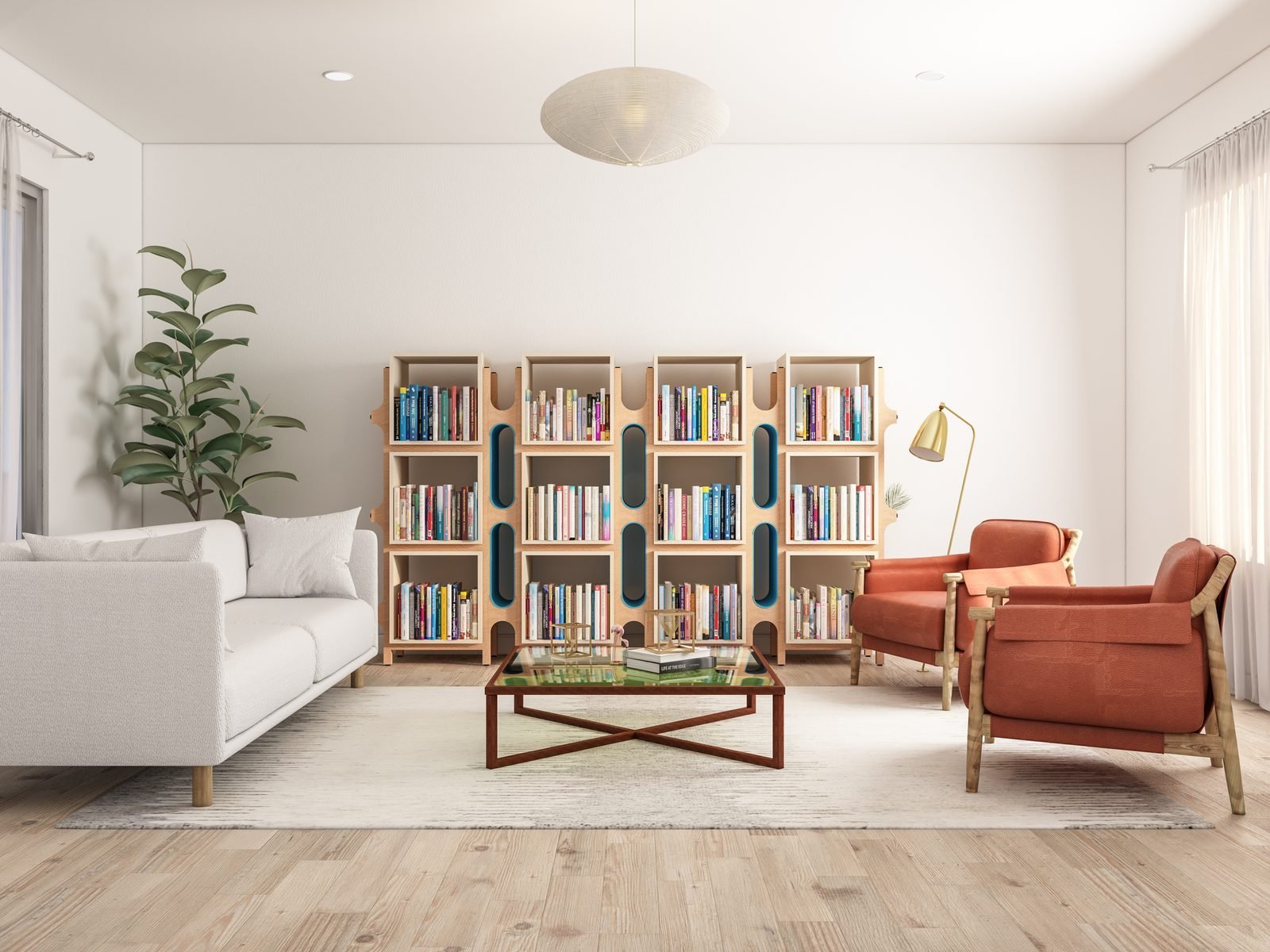
Shoppers judge a product by how clearly they can see it. A good studio render shows the whole item squarely, with soft, even light, believable shadows, and accurate material response, such as the grain of oak or the sheen of brushed metal.
Most stores need a set rather than a single picture: a front view, a three-quarter view, a detail close-up, and perhaps a scale reference. We build the set with the same camera and lighting rules, so a collection of twenty products looks like one catalog instead of twenty separate shoots.
Send the model and the material notes, tell us the final pixel size, and we will take care of the rest.
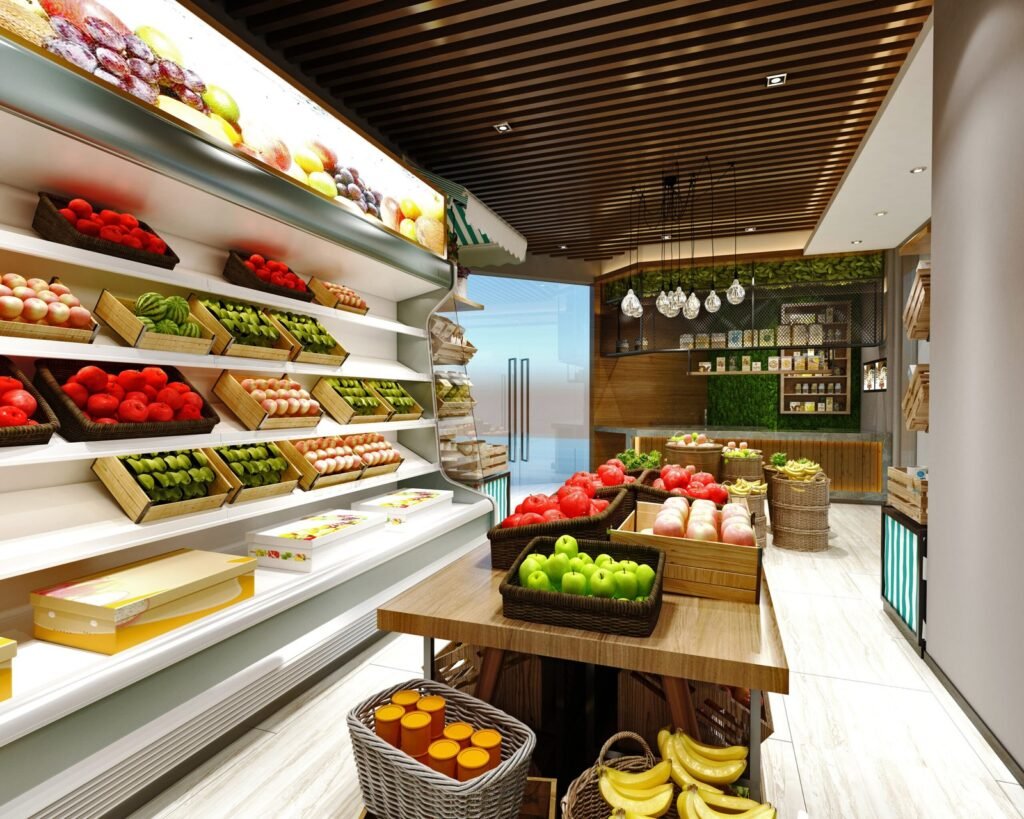
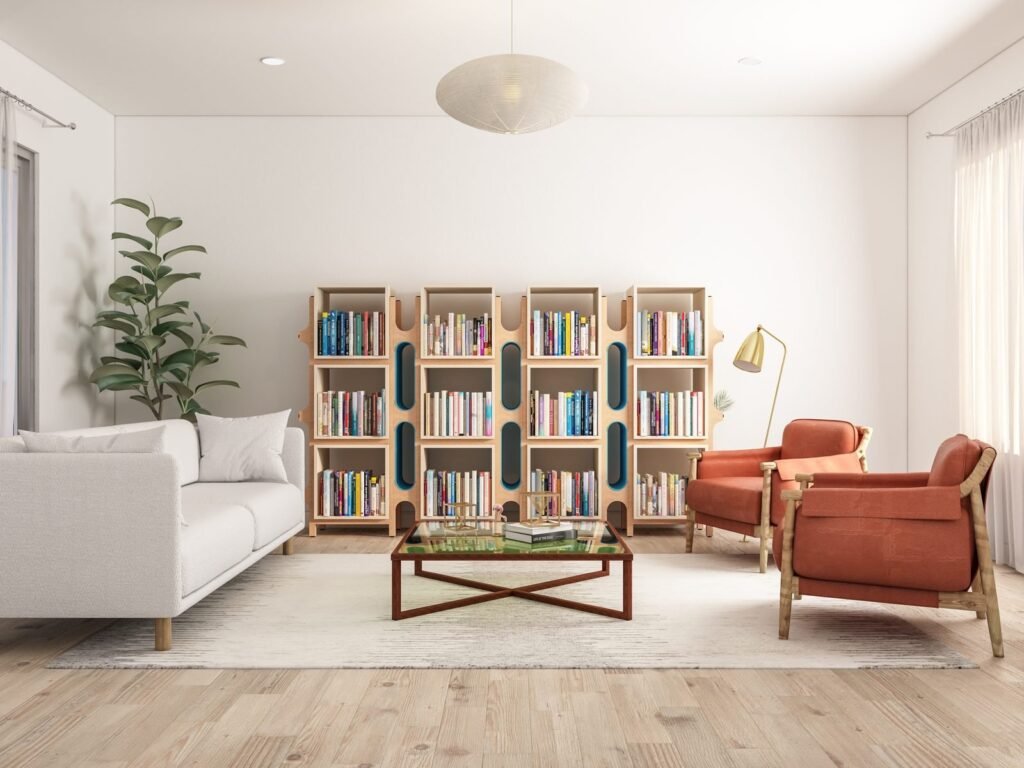
Studio shots tell people what a product is. Lifestyle scenes tell them how it looks at home. We place the same model into a styled living room, a kitchen, an office, or a retail display, with props and lighting chosen to suit your brand.
Because the scene is digital, you can show one sofa in a bright apartment, a darker lounge, and a showroom, without moving anything. Our 3D interior rendering team builds the rooms, and the product stays true to your specification.
Tell us the customer you are speaking to, and we will suggest scenes that suit them.
Once a product is modeled, changing its color, fabric, or finish is a setting rather than a new production run. A chair offered in six upholstery options becomes six images from one scene. A fixture offered in three metal finishes can be shown together in a single comparison view.
That makes large option ranges affordable to show, and it keeps old and new variants visually matched when you add to the line next season.
Upload CAD or 3D files, dimensions, and material or color references. Add brand guidelines if you have them, and tell us where the images will be used.
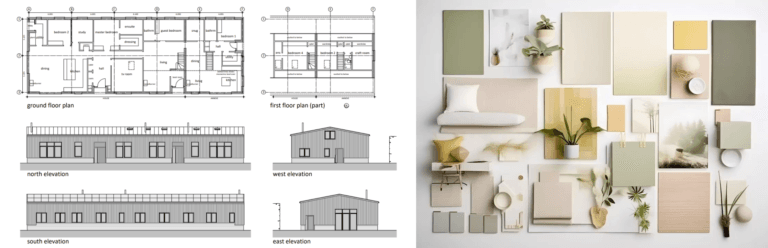
We agree on camera angles, backgrounds, and finishes, and show a test view when the product is complex, before we render the full set.

A first set usually arrives within three to seven days. Check colors and proportions against your samples or specifications.
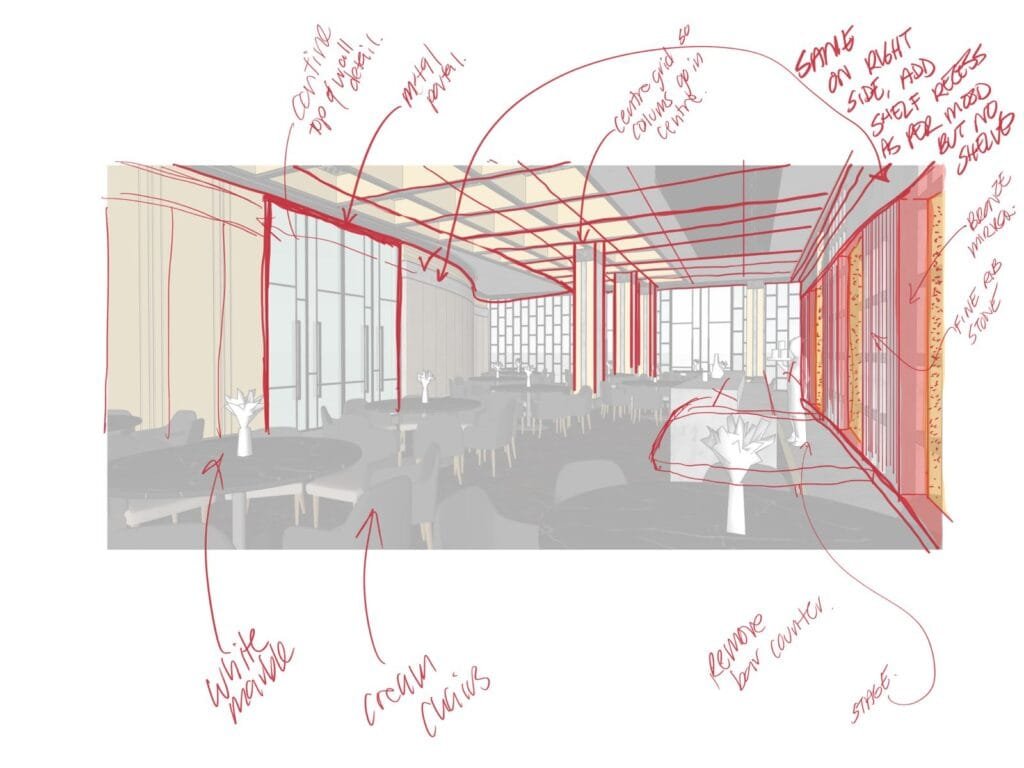
Final images arrive in the file sizes and formats your platforms need, with variants named clearly.
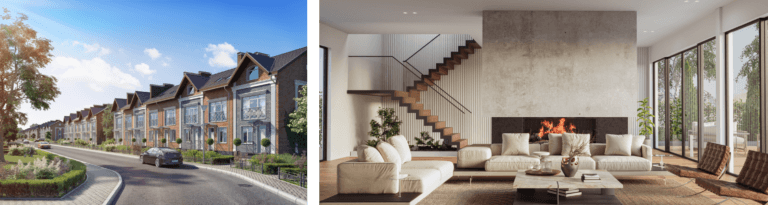
The quality of a product render depends mostly on the quality of the information we receive. A few minutes spent on the brief usually saves a round of revisions.
CAD or 3D files are ideal, and technical drawings with dimensions work too. We also need the materials and finishes, including color codes where brand colors matter, logo artwork for any marking, and photographs of an existing sample if one exists. Packaging projects benefit from the flat dieline as well as the finished shape.
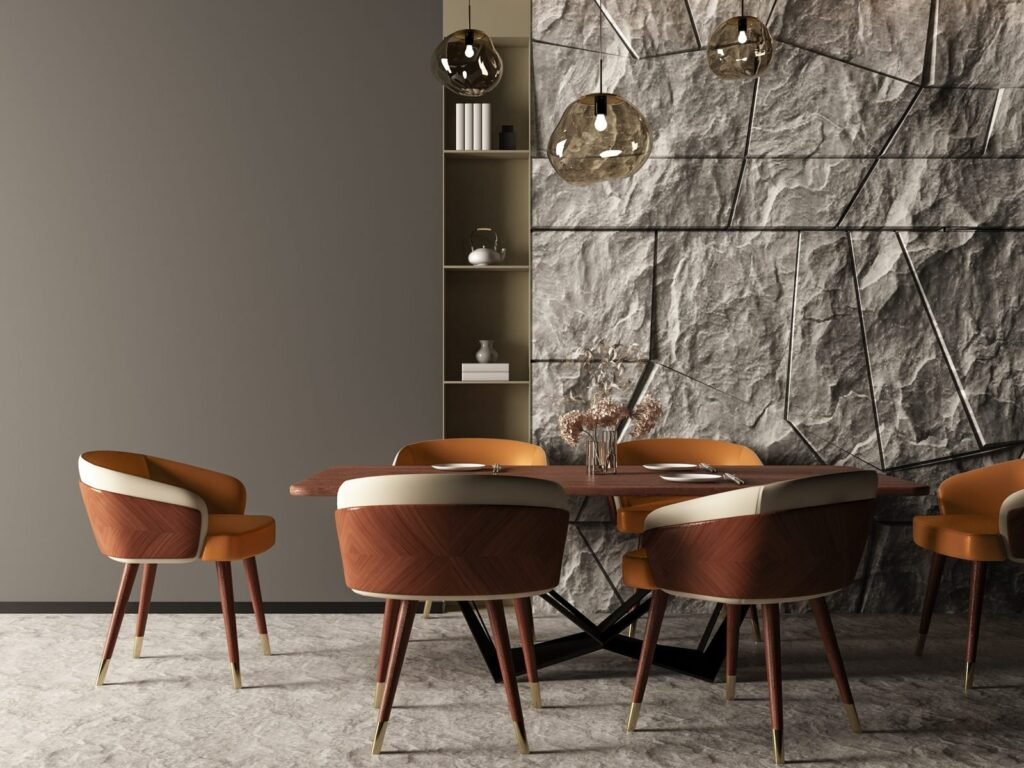
Retailers and marketplaces usually publish rules for image size, background, and the number of views. Pure white backgrounds are common requirements for listing photos, and minimum dimensions are often strict. Send us the current requirement from each platform, since they change, and we will prepare the images to match.
New products need images before samples exist: for retailer pitches, trade-show graphics, pre-orders, and packaging approval. Rendering from the design file lets marketing begin while manufacturing is still being organized.
For fixtures and lighting that will be installed in a space, an architectural context can help buyers understand scale. Our rendering services overview lists the related options, and our article on lighting in interior 3D rendering explains how light changes the mood of a product scene.
Not sure what to ask for? Describe the product and the sales channel, and we will recommend the set of views.
Tell us about the product, the finishes, and where the images will appear, and we will reply within one business day with a fixed-price quote. See how we handle styled scenes in the portfolio.
What manufacturers and online sellers ask most.
CAD or 3D files give the best start, and dimensioned technical drawings can also work. We also need material and color details, logo artwork if the product carries marks, and photos of any existing sample.
Yes, as long as they meet the platform's image rules. Send us the current requirements for size, background, and number of views, and we will prepare the images to match them.
Yes. Once the model exists, we can render every color, fabric, or finish from the same scene. That keeps lighting and framing consistent across the entire range.
Yes. Many clients use renders for pre-launch marketing and retailer presentations before the first production run, working from the design file alone.
Yes. We can place your product into a styled interior. See our 3D interior rendering page for how those rooms are built, and tell us the setting and customer you want to reach.