3D House Design for Remodeling and Home Expansions
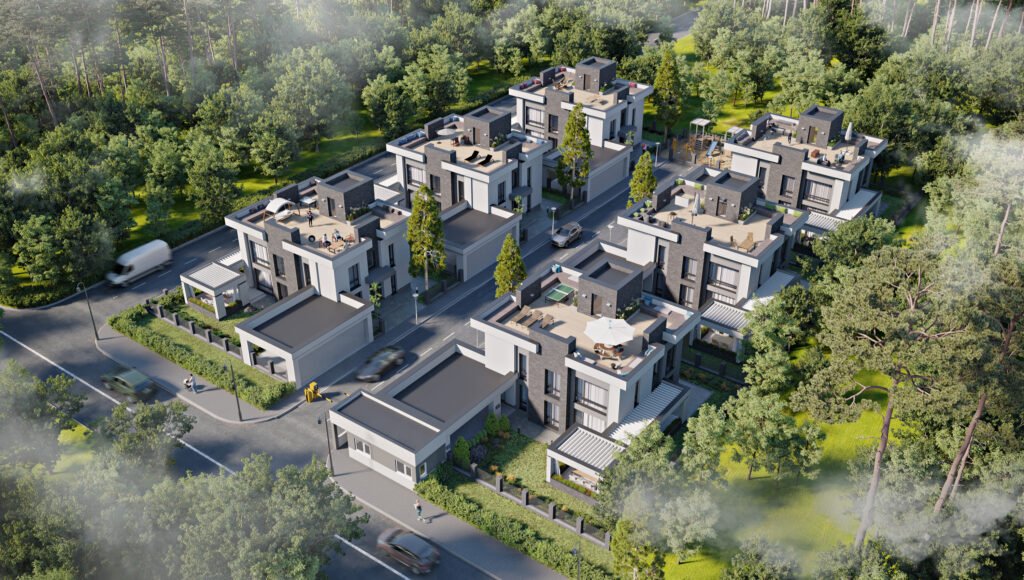
In an era where visual clarity and precise planning are paramount, innovative home transformations are taking center stage. 3D House Design for Remodeling and Home Expansions is revolutionizing how homeowners and architects visualize renovation projects. By converting your ideas into realistic, detailed digital models, 3D house design empowers you to experiment with layouts, materials, and aesthetics before a single nail is hammered. At ArchiRender3D, we specialize in helping you reimagine your living space using advanced 3D design techniques that deliver both inspiration and practical insights. In this comprehensive guide, we explore the ins and outs of 3D house design, particularly for remodeling and home expansions. We’ll dive into its benefits, the creative process behind it, essential tools and techniques, real-world success stories, best practices, and even forecast future trends in home design. Whether you’re a homeowner looking to remodel or a professional planner spearheading a home expansion project, this blog post will help you leverage 3D house design to bring your vision to life. Introduction: Transforming Home Renovations with 3D House Design Traditional remodeling plans often fall short when conveying depth, spatial flow, and interior ambiance. Relying solely on 2D blueprints can lead to misinterpretations and costly on-site modifications later. However, With 3D House Design for Remodeling and Home Expansions, every element from floor layouts to exterior facades can be rendered in photorealistic detail. This shift not only improves understanding among stakeholders but also fuels creativity, allowing homeowners, designers, and architects to explore endless possibilities before committing to a final plan. Imagine seamlessly visualizing a cozy living room expansion or a dramatic new addition that complements your existing structure. 3D house design lets you experience lighting, texture, shadows, and spatial arrangements, revolutionizing the planning process and ensuring your remodeled home fulfills both aesthetics and functionality. What is 3D House Design? 3D House Design involves creating a detailed digital model of a home, complete with every architectural detail, using computer-aided design (CAD) and rendering tools. Unlike traditional 2D floor plans, a 3D model provides a life-like simulation of what a space will look and feel like after modifications are made. This technology allows you to visualize remodeling projects—whether updating an existing space or adding new extensions—with unparalleled clarity. Key features of 3D house design include: Realistic Visualization: Accurately rendered textures, materials, and lighting bring your home to life. Interactive Perspectives: Rotate, zoom, and explore every angle of your design, ensuring the final plan meets your vision. Accurate Measurements: Detailed digital modeling ensures that every dimension is precise, preventing costly mistakes during construction. Enhanced Planning: By simulating various design options in a virtual environment, you can experiment with different layouts and décor styles without any physical alterations. In essence, 3D house design is a transformative tool that bridges imagination and reality, turning conceptual ideas into actionable, visually engaging plans. Benefits of 3D House Design for Remodeling and Home Expansions Enhanced Communication and Visualization Clarity for Stakeholders: Whether you are working with architects, contractors, or interior designers, a 3D model provides a clear, common language. This minimizes miscommunication and ensures everyone is on the same page. Realistic Representation: Clients and investors can see exactly how every detail of the remodel will appear, from ceiling heights to material finishes. This visual clarity helps avoid costly surprises later in the construction process. Interactive Exploration: Buyers and homeowners can interact with the model—rotating views, getting close-ups, and even simulating natural lighting throughout different times of the day. This interactivity improves decision-making and satisfaction. Cost Efficiency and Time Savings Reduced Revisions: Early detection of design issues in a 3D model helps avoid expensive modifications during construction. With precise planning, you can minimize on-site errors. Shorter Decision Cycles: When design options are clearly visualized, stakeholders make faster, well-informed decisions, expediting the approval process. Budget Optimization: Investing in 3D design services converts design uncertainties into accurate, digital representations, reducing overall project costs through minimized waste and error. Superior Marketing and Buyer Engagement Captivating Showcases: For real estate agents and homeowners, 3D renderings and virtual tours showcase remodels and expansions in a way that static photos cannot match. This uniqueness boosts online engagement and drives more qualified leads. Enhanced Digital Presence: Listings featuring photorealistic 3D designs attract more attention on property sites and social media, leading to higher conversion rates. Inspiring Confidence: Seeing a realistic, immersive representation of a remodel or expansion builds trust with potential buyers who can clearly envision themselves enjoying the revitalized space. Flexibility and Customization Multiple Design Iterations: 3D house design allows for quick experimentation with different styles, layouts, and materials. Homeowners can compare iterations without any physical changes. Tailored Solutions: Whether the project is a minor update or a full expansion, designs are easily scaled to fit your exact requirements. Custom solutions ensure that every detail matches your lifestyle and preferences. Future Adaptability: As trends in design and technology evolve, digital models can be updated, making them a long-term asset for continual property improvement. Informed Decision-Making and Pre-Construction Planning Risk Mitigation: Detailed planning using 3D models helps identify potential issues well before construction begins, thereby reducing the likelihood of delays and additional expenses. Accurate Measurements: Precision in 3D designs ensures that everything—from door placements to structural supports—is built to exact specifications, alleviating future frustrations. Seamless Integration: 3D models allow for easy integration with other building systems, ensuring that remodeling projects work harmoniously with existing structures. The 3D House Design Process for Remodeling and Expansions 1. Initial Consultation and Concept Development A successful project starts with a clear vision. During consultations, clients share ideas, design preferences, and functional requirements. This phase involves: Client Briefing: Understanding your lifestyle, design inspiration, and renovation goals. Site Analysis: Reviewing existing structures, measurements, and spatial constraints. Concept Sketching: Brainstorming scales, themes, and potential layouts that fit your vision. 2. Detailed 3D Modeling Using the concept and floor plans, professionals create a detailed 3D model of your home. Digital Blueprint Creation: The model includes every essential element—walls, floors, windows, and even intricate details like fixtures and built-ins. Virtual Layout: The design
Visual Storytelling: CGI’s Vital Role in Property Narratives
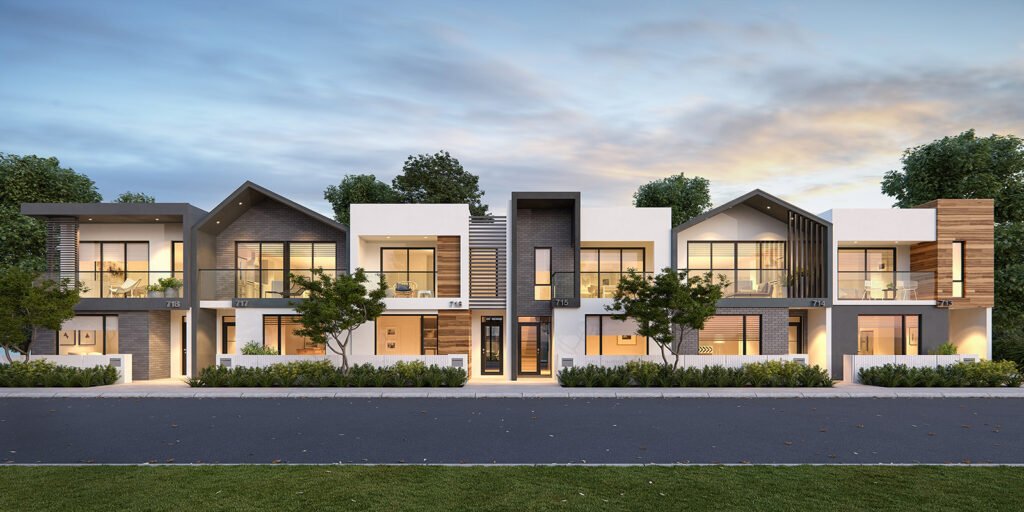
In a competitive real estate landscape, details matter and how you present those details can make all the difference. Visual storytelling through CGI (computer-generated imagery) provides a dynamic way to convey the essence of a property, weaving design, functionality, and emotion into a powerful narrative. At ArchiRender3D, we believe that every property has a story to tell, and our stunning visual renderings help bring these stories to life. In this guide, we’ll explore the vital role of CGI in property narratives, its benefits, techniques for crafting compelling stories, and real-world examples that prove its effectiveness. Introduction: The Magic of Visual Storytelling in Real Estate Imagine stepping into a space that hasn’t yet been built, where each detail from the play of natural light across a luxurious lobby to the inviting textures of a cozy living area is rendered in vivid clarity. Visual storytelling through CGI turns that dream into an experience, enabling investors, buyers, and stakeholders to connect emotionally with a property before even stepping on site. In the world of property marketing, it isn’t enough to provide dry technical details. A well-crafted CGI narrative transforms architectural plans into sensory experiences, conveying not just what a property looks like, but how it feels. Whether you’re showcasing a modern urban development or a serene suburban retreat, CGI provides an invaluable tool to communicate your vision with passion and precision. What is CGI in Property Narratives? CGI, or computer-generated imagery, is the art of creating lifelike, immersive visuals from digital models. In property narratives, Property CGI bridges the gap between imagination and reality by transforming floor plans, sketches, and concepts into dynamic visual experiences. These visuals can be still images, animated fly-throughs, or interactive virtual tours that capture every detail of a space. Key Characteristics of CGI in Property Narratives: Realistic Detailing: From the texture of stone to the reflections on glass, CGI replicates real-world surfaces and materials, delivering an authentic feel. Immersion: Through carefully crafted camera movements and lighting setups, viewers are invited to experience a property as if they were physically there. Story Integration: CGI enables designers to weave narratives into visual presentations, highlighting how a property’s design adapts to various moods and moments. By harnessing the potential of CGI, architects and marketers can turn mundane blueprints into captivating stories that resonate with their audience. The Benefits of CGI in Property Storytelling Integrating CGI into property presentations comes with a range of powerful benefits, making it a crucial element in today’s real estate marketing strategies. 1. Enhanced Emotional Connection Visual storytelling transcends mere presentation, it evokes emotion. High-quality CGI allows prospective buyers or investors to “feel” a space before it exists. Immersive Experiences: Detailed visuals invite viewers into a narrative, enabling them to connect emotionally with the property. Memorable Impressions: When people can visualize themselves living or working in a space, the emotional impact can lead to stronger engagement and enhanced decision-making. 2. Improved Communication and Clarity CGI breaks down complex architectural plans into intuitive, visually digestible narratives. Clear Representation: CGI highlights the spatial relationships, design details, and material finishes that might be lost in technical drawings. Effective Collaboration: When every stakeholder—from architects to financiers—can see and interact with the visual narrative, misunderstandings are minimized and collaborative decisions are easily reached. Instant Understanding: A well-crafted visual narrative communicates the concept in a way that appeals to both the head and the heart, speeding up approval processes. 3. Accelerated CGI Marketing and Sales In a market where first impressions count, CGI provides a competitive edge that accelerates engagements and closes deals faster. Compelling Digital Content: Whether it’s for websites, social media, or digital brochures, CGI visuals capture attention and drive higher engagement. Shortened Sales Cycles: Immersive virtual tours and detailed renderings allow clients to experience a property remotely, leading to quicker purchasing decisions. Investor Assurance: Detailed, photorealistic visuals build trust and present a believable, attractive prospect that can ease investment concerns. 4. Cost and Time Savings Investing in CGI early on brings significant long-term savings by mitigating risks and minimizing rework during construction. Error Detection: Detailed CGI narratives can reveal design flaws or spatial issues before construction begins, reducing costly changes later on. Efficiency Gains: With clear visuals, project teams experience fewer delays due to miscommunication, thereby optimizing timelines and budgets. Outsourcing Advantage: Outsourcing CGI services to experts like ArchiRender3D transforms fixed costs into scalable, project-based expenses, ensuring you receive top-quality visuals without the overhead of an in-house team. 5. Future-Proofing Your Brand By embracing CGI, you position your brand as forward-thinking and innovative, ready to meet the ever-evolving demands of modern property marketing. Scalability: CGI solutions are adaptable, catering to projects of various sizes—from intimate residential projects to expansive commercial ventures. Consistent Branding: High-quality visuals that align with your brand’s values help maintain a consistent, professional image across all marketing channels. Long-Term Value: As customers increasingly seek immersive experiences, investing in CGI ensures that your marketing assets remain relevant and impactful for years to come. Crafting a Compelling CGI Narrative: Techniques and Best Practices Creating an effective CGI narrative is both an art and a science. Below are some techniques that ensure your property visual story is told with clarity, punch, and emotion. Define Your Narrative Arc Begin with a clear vision by outlining the story you want your visuals to tell. Consider what makes the property unique and how you want your audience to feel as they engage with the narrative. Ask essential questions: What is the overall message of the property? What emotions should the viewer experience—excitement, serenity, luxury? Establishing a narrative arc provides a guiding framework for your CGI project. This arc should have a beginning that introduces context, a middle that highlights the unique features and functions, and an end that leaves a lasting impression of the space’s potential. By mapping out the flow and key moments, you ensure that every scene builds on the previous one, creating a cohesive and engaging story. Start with a Well-Developed Storyboard A detailed storyboard is the blueprint of
3D Interior Rendering for Realistic Home Visuals
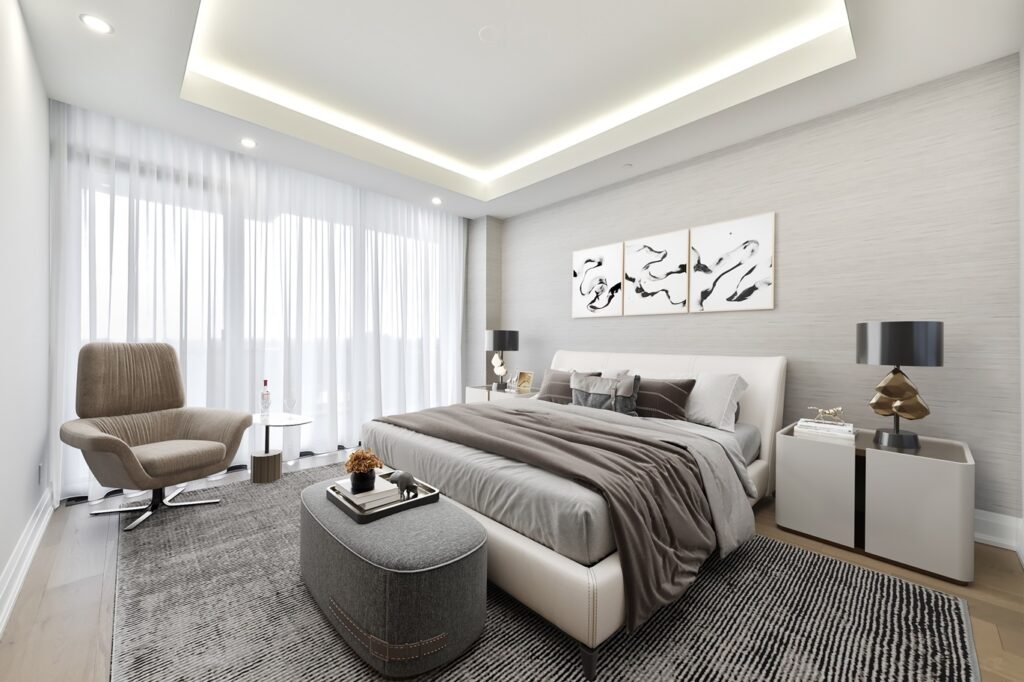
Whether you’re an architect, interior designer, or real estate professional, 3D interior rendering is changing the game by providing photorealistic visuals that capture the essence and personality of a living space.
7 Signs It’s Time for Architects to Outsource 3D Rendering

In today’s competitive architectural landscape, the ability to deliver stunning visual presentations is crucial. However, not every architecture firm has the in-house resources or expertise to produce photorealistic 3D renderings that impress clients and investors alike.
How 3D Exterior Rendering Transforms Architectural Design
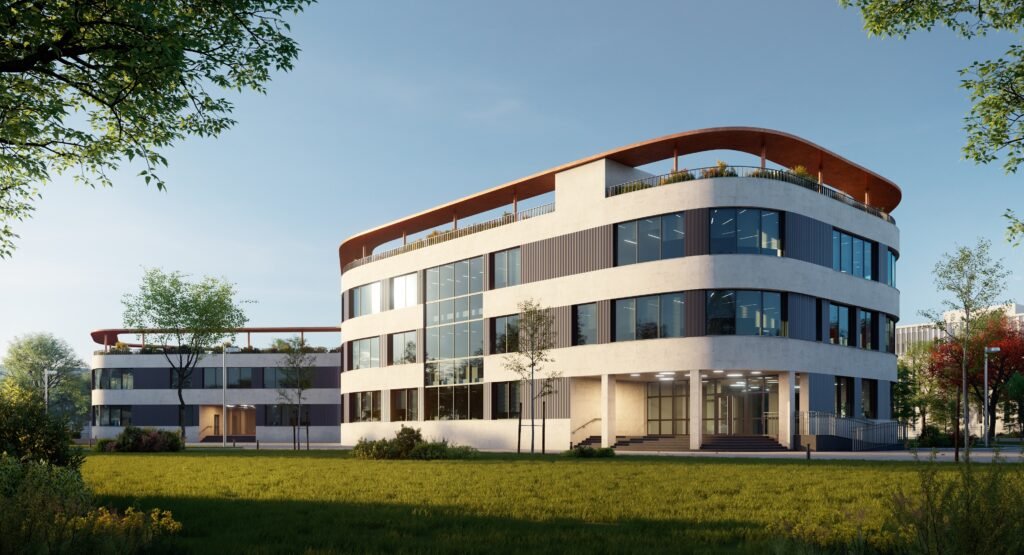
In today’s fast-evolving architectural landscape, the way we present our projects can determine success. The advent of 3D exterior rendering has transformed architectural design practices, enabling designers, builders, and real estate professionals to communicate their visions in the most dynamic, impactful way.
How 3D Architecture Animation Boosts Property Value & Offers
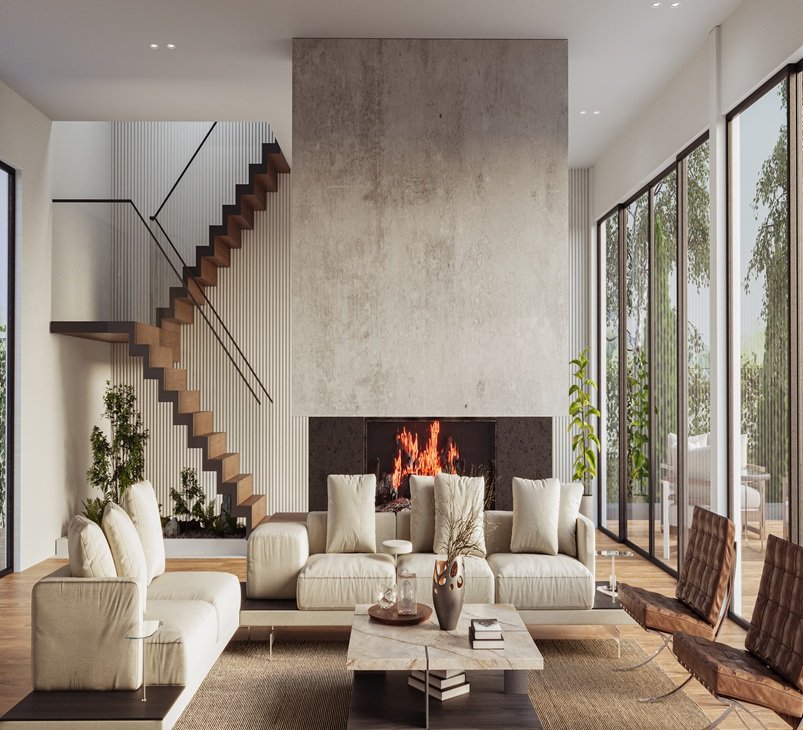
3D architecture animation is the process of creating realistic, computer-generated videos that simulate walkthroughs, flyovers, and detailed views of architectural projects. Unlike static images, these animations allow you to experience a building’s design from various angles, lighting conditions, and even during different times of day.