Table of Contents
Key Takeaways
What defines the best 3D rendering services company?
The best 3D rendering services company combines a relevant portfolio, proven technical expertise, reliable workflows, transparent pricing, strong communication, and measurable business outcomes.
How do you evaluate providers quickly and confidently?
Use a short pilot brief, compare portfolios against your product type, verify technical workflows, test collaboration tools, and assess responsiveness during an initial discovery phase.
What outcomes should you expect from a great partner?
Faster approvals, fewer on-site changes, higher marketing conversions, pitch materials that win investors, and scalable assets you can reuse across projects.
Why Choosing the Right 3D Rendering Company Matters?
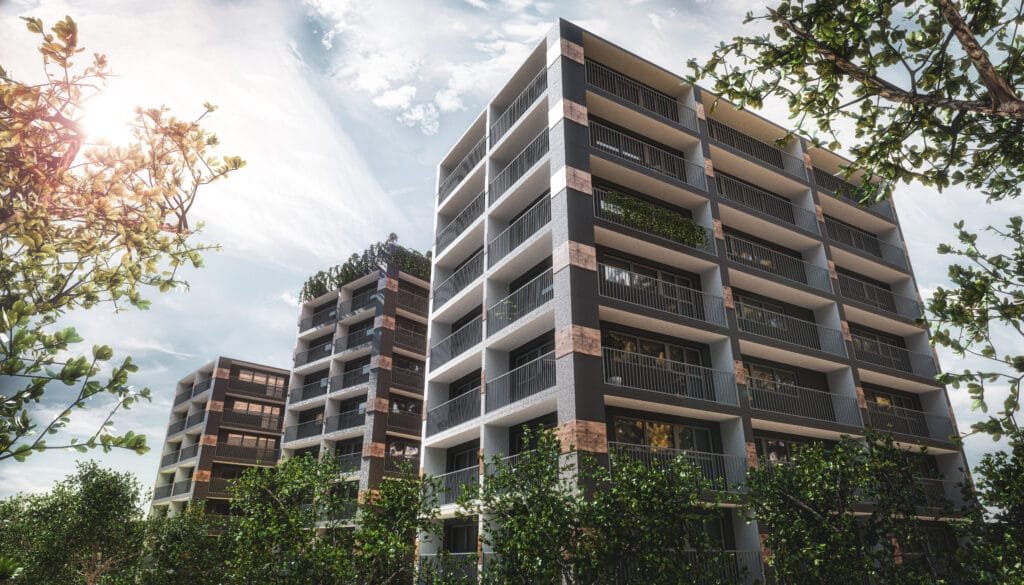
Selecting the right 3d rendering service provider is a decision that affects more than visuals. A company with proven 3d rendering expertise and deep architectural company experience delivers photorealistic renderings that communicate design intent clearly to clients, planners, and contractors.
When images are believable and technically accurate they reduce questions, speed approvals, and cut costly on site changes.
Clear communication is equally important. The best providers assign a single point of contact who understands your project milestones, documents revision scopes, and translates feedback into actionable tasks for artists and technical directors.
That communication rhythm preserves schedule and budget while preserving quality.
Working with a partner experienced in architectural workflows means deliverables integrate with BIM and MEP coordination, handle UDIMs and AOV stacks, and arrive color calibrated for print and web.
In real projects this combination of technical rigor and responsive communication turns renderings into decision making tools rather than just marketing assets, helping architects, developers, and stakeholders reach agreement faster and with more confidence.
Who Uses 3D Rendering Services and Why?
- Architects seeking clearer client approvals and permit-ready visuals.
- Developers and real estate teams using renderings to accelerate pre-sales and investor buys.
- Interior designers who need interior rendering to sell finishes and layouts.
- Product teams using renderings to prototype, market, or crowdfund concepts.
- Marketing agencies who require high quality assets for campaigns and launches.
Each stakeholder has a slightly different success metric, but all benefit from visuals that shorten the decision cycle, increase confidence, and improve conversion rates.
What the Best 3D Rendering Services Company Offers?

- Portfolio that proves they can execute your project type with the desired finish level.
- Technical depth across render engines and real-time platforms.
- Clear, documented production workflow with milestones and QA gates.
- Transparent pricing that separates model prep, rendering, post-production, and revisions.
- Collaboration tools for visual reviews, pin-based feedback, and version control.
- Security measures for IP protection and secure file transfer.
- Options for scale such as cloud rendering and template libraries for repeat work.
A top provider blends creative direction with technical reliability so each deliverable meets both aesthetic and business goals.
How to Prepare Your Project Before You Search
Defining your brief up front reduces friction and leads to better quotes:
Define priority deliverables
- Number of stills, animations, VR scenes, or WebGL viewers you need.
Gather source files and references
- Provide CAD, Revit, Rhino, SketchUp, or OBJ files with named layers and scale settings.
- Attach mood boards, brand guidelines, and real material samples.
Set acceptance criteria
- Define what constitutes a final deliverable and how many revisions are included.
Identify timeline and milestones
- Link visual delivery to marketing launch dates, permit submissions, or investor meetings.
Clarify budget bands
- Provide a realistic budget range so providers can propose viable options.
Prepared briefs shorten discovery, produce accurate 3d rendering pricing, and minimize scope creep.
Step by Step Selection Process for the Best 3D Rendering Services Company
Shortlist candidates from portfolios and referrals
- Look for projects that match scale and style.
Issue a concise request for proposal or discovery brief
- Keep it to a single page with key files and expected deliverables.
Evaluate responses for clarity and process detail
- Prefer providers who explain their workflow and show sample AOV passes.
Conduct short interviews with chosen firms
- Focus on technical approach, communication rhythm, and team structure.
Run a low cost pilot project
- One exterior and one interior still or a 15 second fly-through are sufficient to test fit.
Review pilot outcomes against acceptance criteria
- Assess visual fidelity, responsiveness to feedback, and how smoothly files moved through their pipeline.
Negotiate a longer term engagement with clear milestones and KPIs
- Include pricing packages for retainer work or volume discounts.
This process keeps procurement efficient while reducing the risk of a mismatch.
Technical Questions to Ask Prospective Service Provider
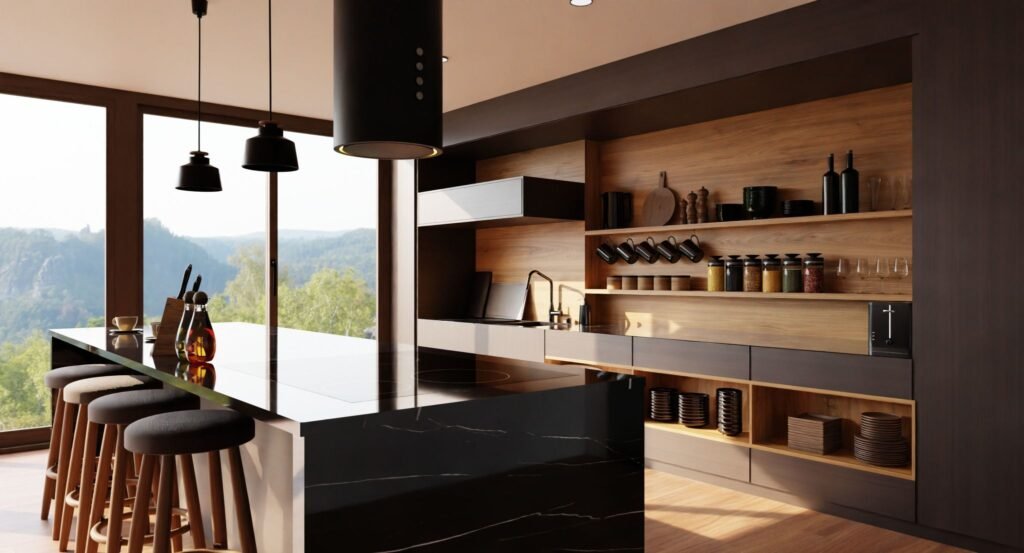
- Which render engines do you use for final stills and animations?
- Do you support real-time engines for interactive configurators or VR?
- How do you handle model cleanup and geometry optimization?
- Can you provide EXR AOV stacks for compositing and color grading?
- What PBR material libraries and scanned assets do you use?
- How do you manage color and display calibration for print and web?
- What is your typical samples per pixel for final renders, and how do you manage denoising?
- Do you support UDIM workflows and multi-tile UVs?
- How do you handle large scenes and memory constraints on render farms?
- Can you integrate MEP or BIM data for coordination visuals?
Technical clarity ensures you will get deliverables that integrate into design and construction workflows.
Archirender3D's Client Testimonials
Real clients describe how working with the best 3D rendering services company changed outcomes for their projects.
These quotes reflect real experience, not marketing copy, and show practical benefits for architects, developers, and product teams.


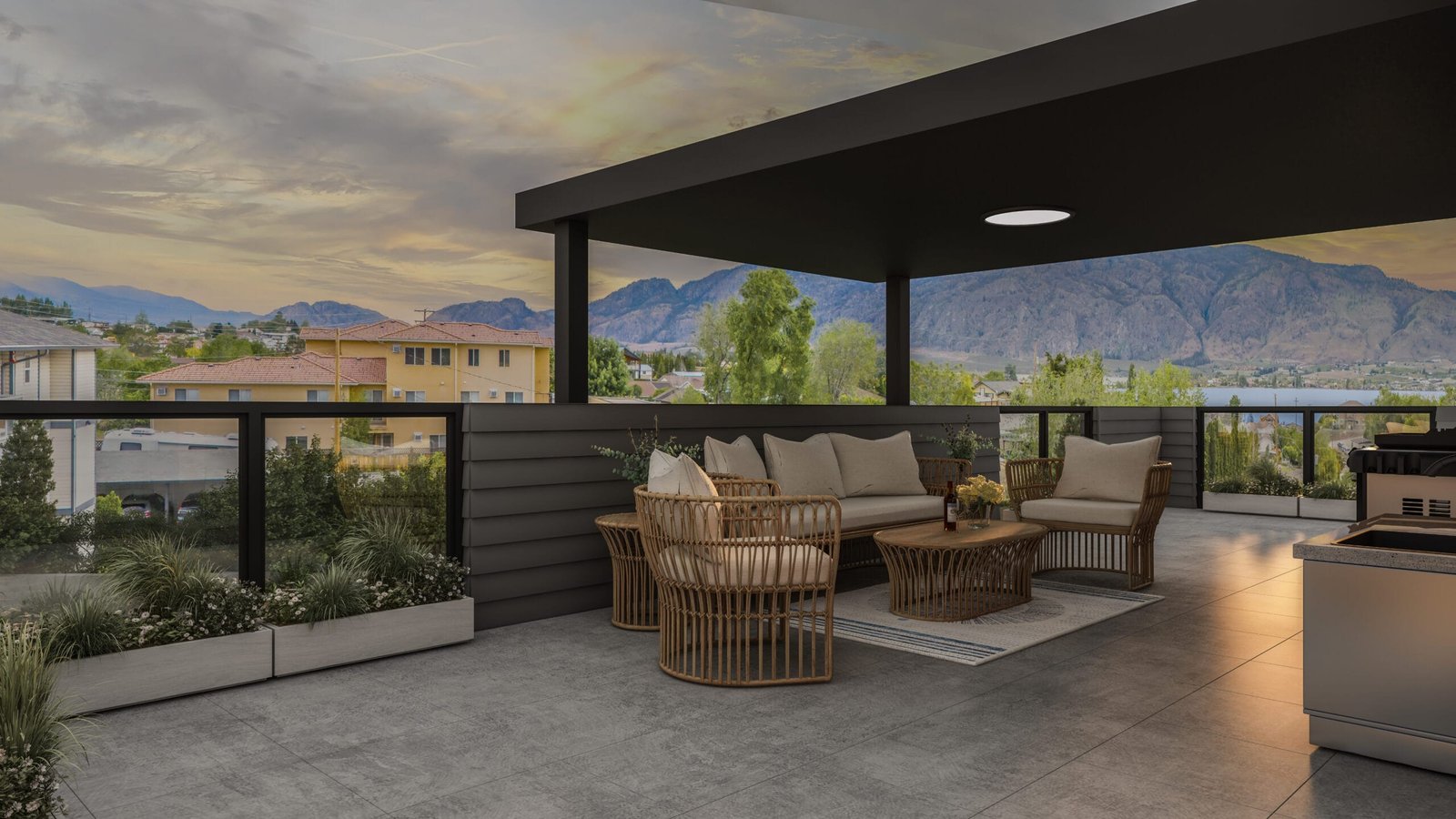
Comparing 3D Rendering Companies
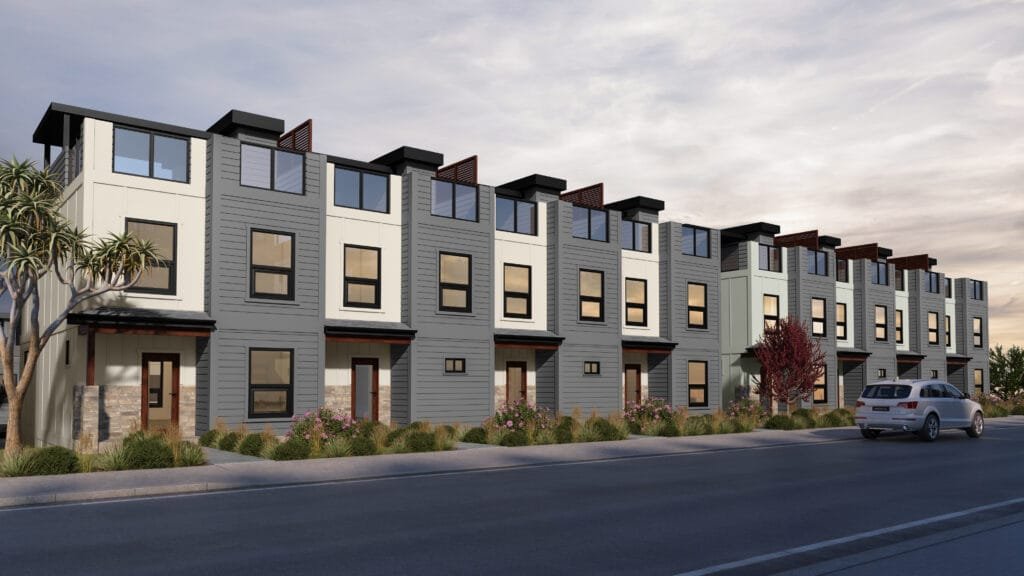
Choosing between 3d rendering companies is a pragmatic trade off among quality, speed, and fit. Use this short comparison framework to evaluate providers and match them to your project needs.
| Evaluation Area | Small Specialist Studios | Mid Sized 3D Rendering Companies | Large Agencies |
|---|---|---|---|
| Typical Strength | Highly specialized craft; artistic nuance | Balanced technical depth and production capacity | Scalability; full service marketing support |
| Best For | High end single projects needing bespoke detail | Most architecture and real estate projects at scale | Enterprise programs, multi market rollouts |
| Turnaround | Flexible but capacity limited | Predictable with moderate speed | Fast due to large teams and render farms |
| Pricing Profile | Premium per view | Mid range; packaged pricing available | Variable; may include agency premiums |
| Collaboration | Direct with senior artists | Project manager plus specialists | Layered teams; account management |
| Risk | Capacity and scalability | Good balance of quality and delivery | Potential higher cost and less artistic control |
How to use this comparison
- If your priority is pixel perfect hero imagery for a flagship project choose a small specialist studio.
- If you need consistent, repeatable output for multiple units or a portfolio of projects evaluate mid sized 3d rendering companies first.
- If you require integrated marketing campaigns, quick global rollouts, or multi discipline services consider a large agency.
Ask shortlisted providers for relevant project references and for client testimonials that mirror your project type. A short pilot helps you confirm which category and which specific company best matches your technical needs, communication style, and budget.
Red Flags to Watch For When Evaluating Vendors
- Vague or generic portfolios without context or project credits.
- Lack of demonstrable workflow or missing AOV examples.
- Overly low quotes that hide line items or offer unlimited revisions without a plan.
- Slow or unclear communication during the discovery phase.
- Absence of security measures or refusal to sign NDAs.
- No trial or pilot option to validate the working relationship.
Avoid these patterns to reduce the risk of missing deadlines or receiving subpar deliverables.
Pilot Project Template to Test Capabilities
Use this short pilot to validate fit before committing to a larger scope:
Brief Overview
- One exterior hero still at dusk with street context.
- One interior living room vignette with alternate furniture and two material variations.
- Deliverables: PNG 4K stills, EXR AOV stacks, and one WebGL preview for the interior.
Success Criteria
- Final images match reference mood boards within two revision rounds.
- Provider responds to feedback within 24 business hours.
- EXR stacks layer correctly in your compositing pipeline.
- WebGL preview loads and runs on desktop and mobile.
Budget and Timeline
- Fixed fee for pilot project with a one week turnaround from model handoff.
A compact pilot demonstrates responsiveness, quality, and technical fit without large upfront investment.
Real Experience Examples and Lessons Learned
Example 1 Architect Limited by Traditional Presentations
A mid sized architecture firm needed permit visuals for a multifamily infill. Their previous vendor produced flat images that left reviewers asking clarifying questions.
We ran a pilot and delivered a sequence showing context, massing, and a time of day study. The planning board approved the scheme after a single meeting.
Lesson Learned Visual storytelling that anticipates reviewer questions shortens approval cycles.
Example 2 Developer Seeking Sales Momentum
A developer launching a boutique condominium wanted marketing assets that converted leads into deposits.
We created a hero exterior, three interior vignettes, and a 30 second fly-through. The launch campaign generated a 28 percent increase in qualified leads and secured 40 percent of units in the pre sale window.
Lesson Learned High quality visuals reduce buyer hesitation and accelerate sales.
Example 3 Product Team Needing Realistic Prototypes
A furniture brand required photoreal prototypes for a crowdfunding campaign. The chosen provider delivered accurate material finishes and interactive 3D configurators.
The campaign exceeded funding goals and reduced physical prototype costs.
Lesson Learned 3D rendering companies can replace expensive physical prototypes for early market testing.
These real experience stories show the measurable outcomes that the best 3D rendering services company can deliver.
How to Get Maximum Value from Your Chosen Provider
- Standardize model handoff templates to reduce prep time and fees.
- Build a small library of reusable materials and furniture packs.
- Bundle views and stages to secure volume discounts.
- Use pilots to test new formats such as AR or WebGL before large rollouts.
- Track KPIs including approval time, change orders, and marketing conversions to quantify ROI.
- Maintain an annual review with your provider to optimize templates and update material libraries.
These practices turn one off projects into long term efficiency gains.
Conclusion and Next Steps
Finding the best 3D rendering services company is a strategic decision that affects design clarity, sales velocity, and brand perception.
Treat the selection process like any critical vendor engagement by preparing a clear brief, shortlisting based on relevant portfolios, testing fit with a pilot, and codifying expectations in a transparent contract.
Next steps to move forward
- Create a one page project brief including source files and priority deliverables.
- Shortlist three candidates based on portfolio relevance and initial responsiveness.
- Run a fixed fee pilot to evaluate quality, speed, and communication.
- Compare pilot outcomes and negotiate long term terms that include volume discounts and reuse clauses.
- Track outcomes and refine your brief over time to increase efficiency.
When you choose a provider that combines creative excellence with reliable production processes the investment pays back in faster approvals, fewer revisions, and higher converting marketing assets.
ArchiRender3D is ready to assist with a pilot brief or a consultation to help you find the right match for your next project.
FREQUENTLY ASKED QUESTIONS
What criteria should I prioritize when selecting the best 3D rendering services company?
Prioritize portfolio relevance, technical toolchain, demonstrated 3D rendering expertise, clear collaboration processes, transparent pricing, and proven architectural or real estate company experience.
How long does a typical engagement with a 3D rendering service provider take?
Turnarounds vary by scope but expect 3 to 7 business days for a single interior still, 2 to 3 weeks for a small marketing package, and multiple weeks for master plans or VR packages depending on revisions.
What deliverables are included in a standard rendering package from a top company?
Standard packages typically include high resolution stills, EXR AOV stacks for compositing, web previews or WebGL viewers, basic post production, and a set number of revision rounds documented in the contract.
Do 3D rendering companies provide rights to use the images for marketing and sales?
Most professional providers grant full commercial rights or a license that covers marketing, print, and online use. Confirm IP and licensing terms in the contract before starting work.
What metrics should we track to measure the value of rendered assets?
Track approval cycle time, number of on site change orders, marketing engagement metrics such as click through rates and lead conversion, and pre sale deposit rates to quantify ROI from rendered assets.